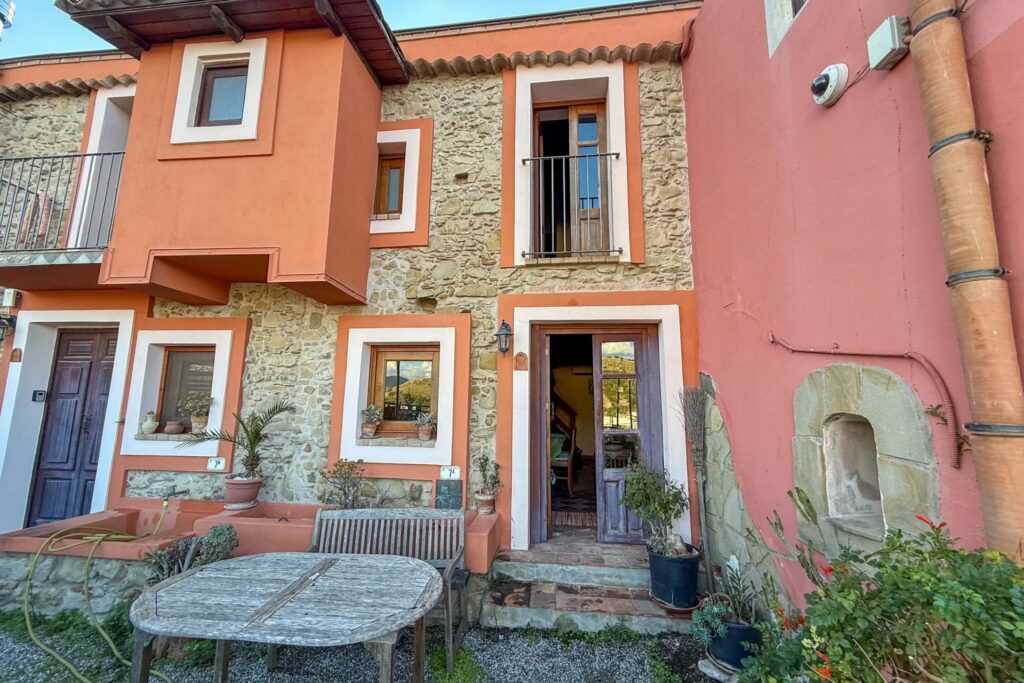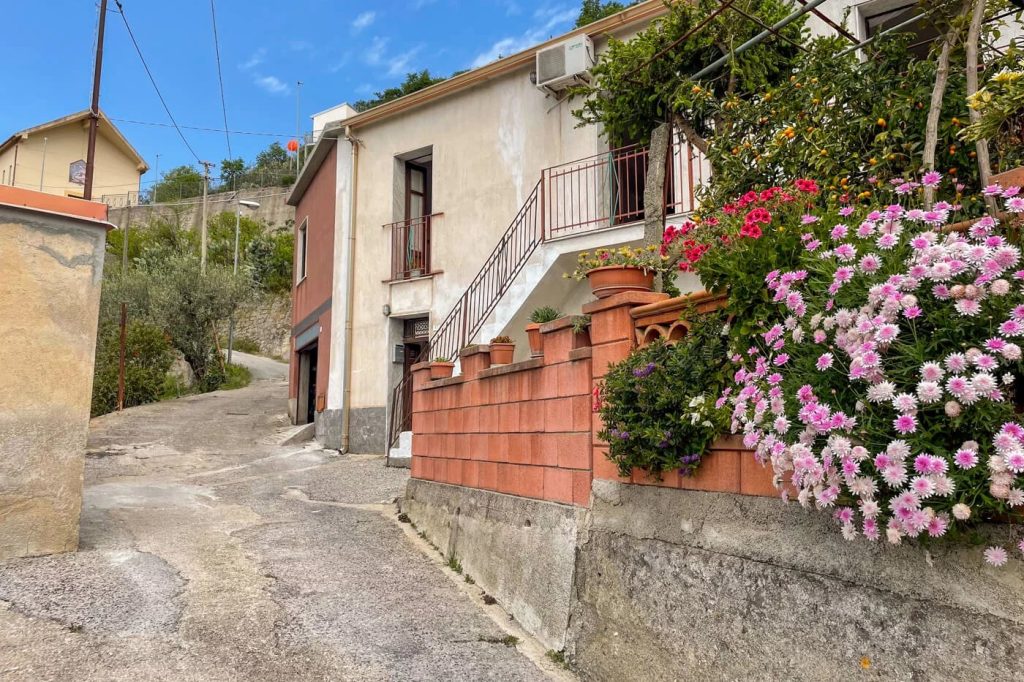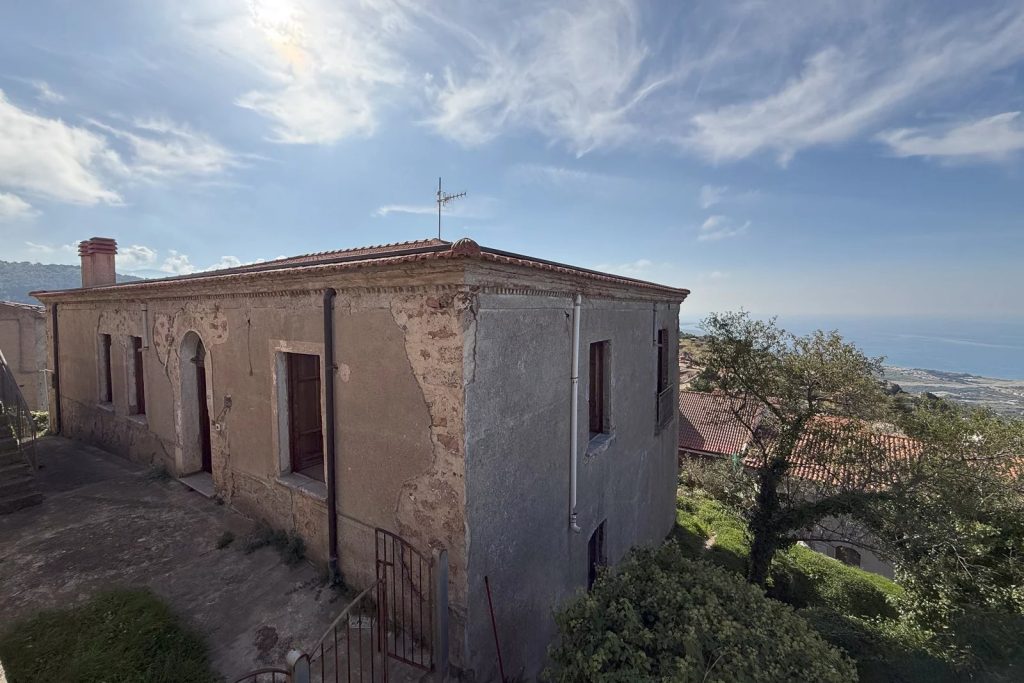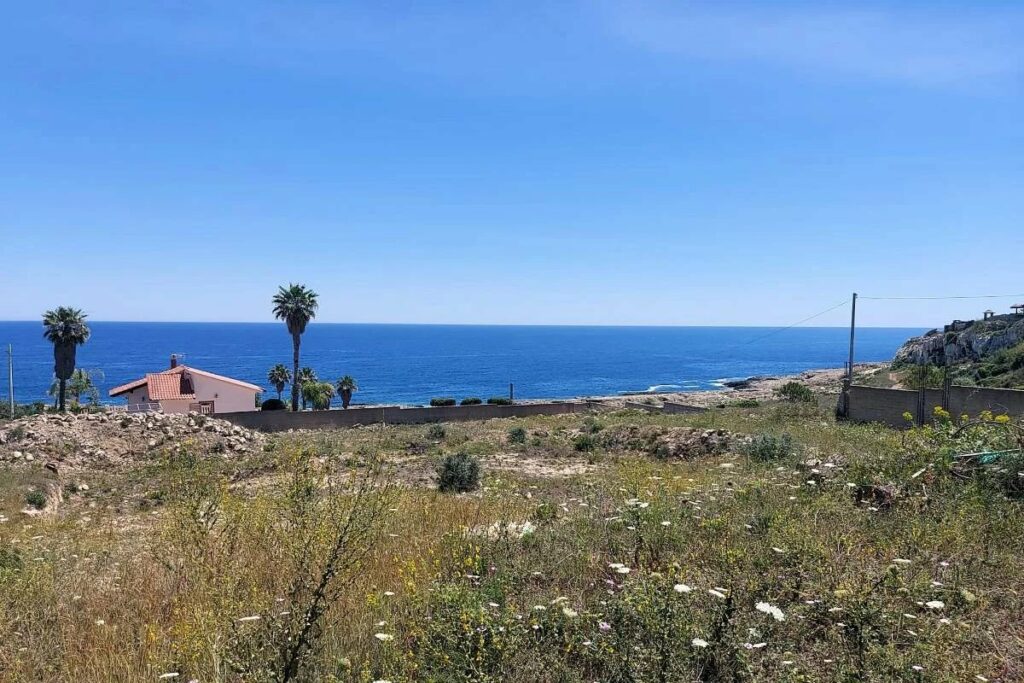
Undiscovered Beauty: Buying a Property in the Nebrodi Natural Park

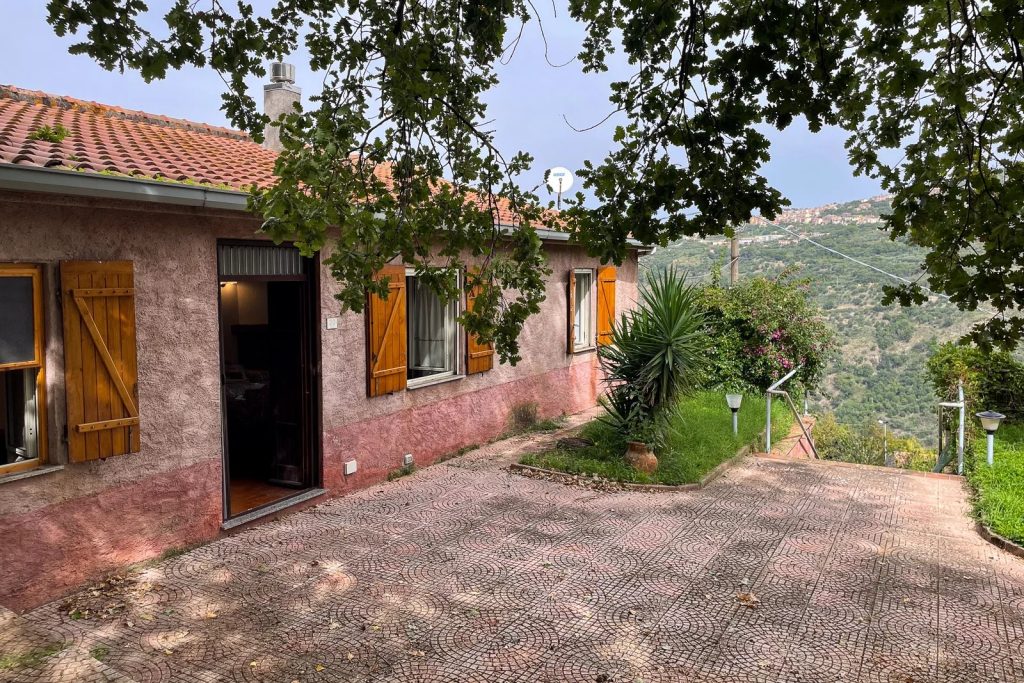
A stunning region, home to Sicily’s largest protected area of natural beauty, the remote nature of the mountains and hills of the Nebrodi are too often overlooked by international buyers. But for lovers of peace, tranquillity, ancient traditions and the great outdoors they are a treasure trove of potential. Whether you are considering buying a permanent residence, a holiday property or a rental investment, this article will help you understand why the Nebrodi are a great region to consider, and where to start your search.

When buyers contact us looking for help with finding affordable real estate in Sicily, the first challenge is always to pick an area in which to begin the search. We have long championed the beautiful villages of the Madonie Natural Park as a wonderful option for affordable real estate in an area of unspoilt natural beauty, but the proximity to widely visited tourist attractions like Castelbuono and Cefalù leaves some people hungry to travel further from the well-trodden path.

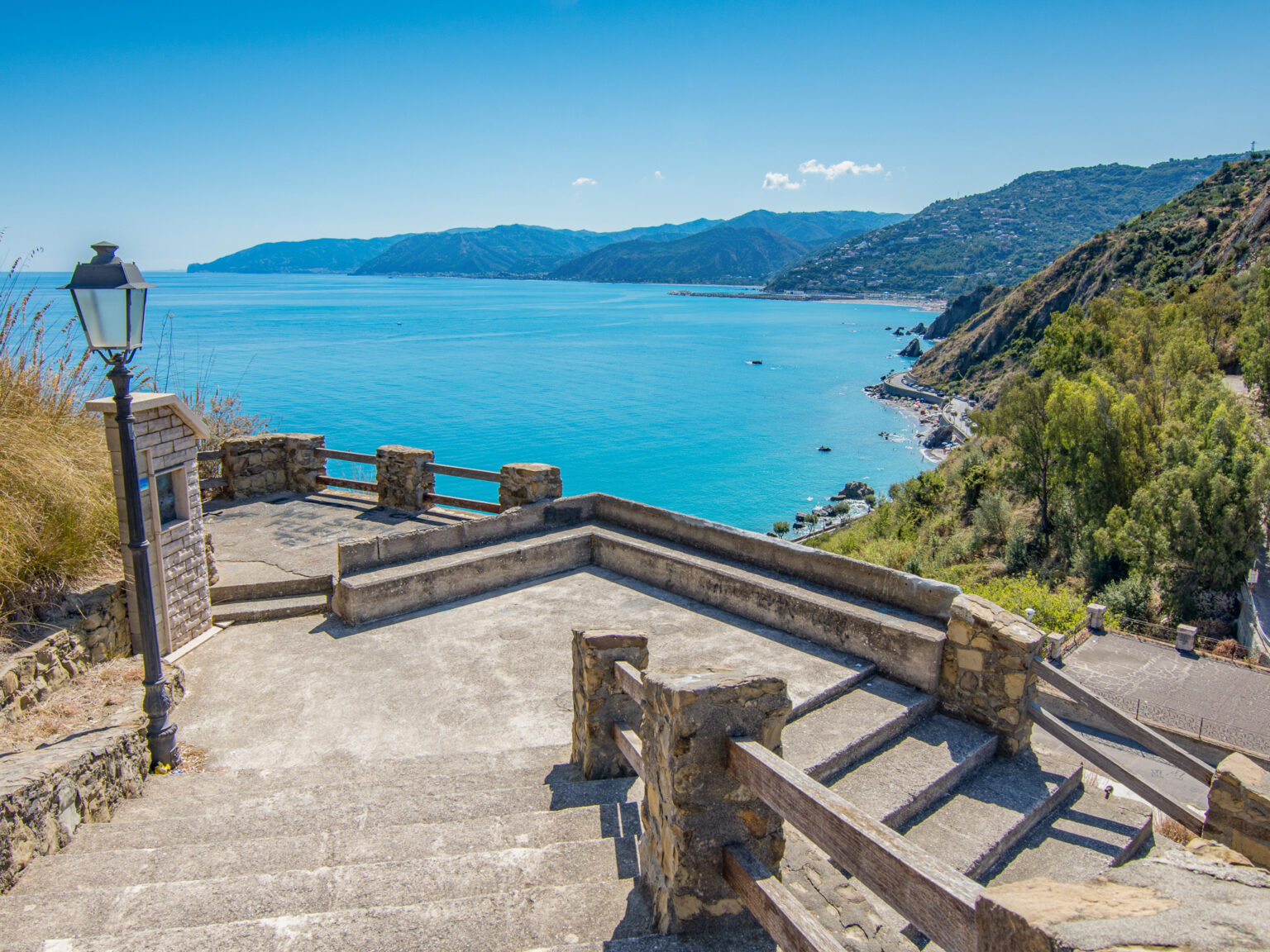
So we now take you a little further along the Island’s sparkling Tyrrhenian coast, to the Nebrodi Park, a mountainous region whose gentle clay peaks and serene mountain lakes suddenly cascade downhill through a band of limestone cliffs and exhilarating driving roads. Reaching the sea, the deep beaches and broad bays of the coastline give a perfect vantage point from which to take in the volcanic cluster of islands that make up the Aeolians, some forty kilometres out to sea. 

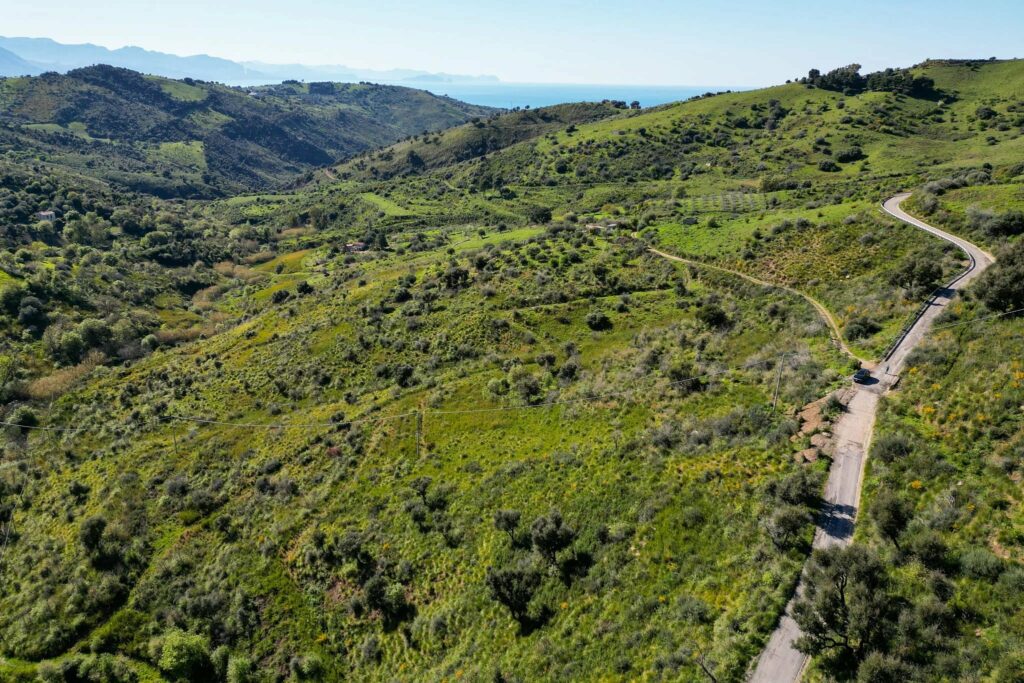
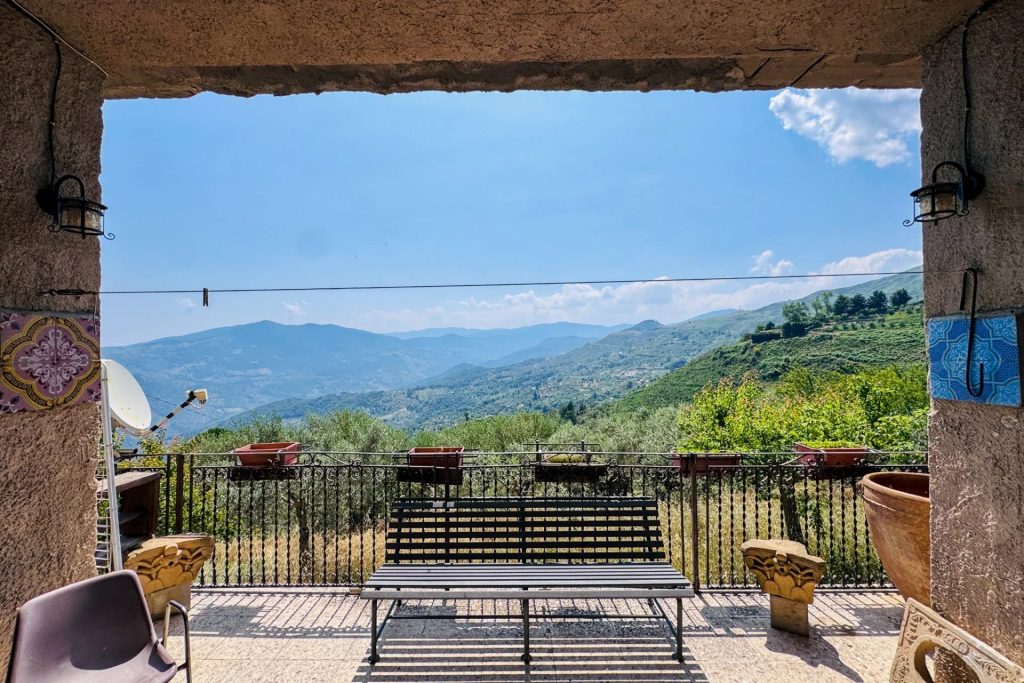
There is beauty on every level of the Nebrodi, with rich, hardy vegetation and fertile wetlands keeping the park astonishingly green even in the long hot Sicilian summer.

Let’s take a quick look at the geography, history and culture of the region, before turning our attention to the property market and the most important towns and villages you’ll need to know about if you’re considering buying a property in the Nebrodi.

Why Buy Property in the Nebrodi Region?

The reasons to buy property in the Nebrodi region are compelling. The varied geography of the area means that you can truly immerse yourselves in wild mountains one day, and spend the next trailing a finger through the warm sea from the deck of a sailing boat. From the peak of Monte Soro, the park’s highest point, you can lose yourself in an incomparable 360 degree panorama, taking in the massive peak of Mount Etna to one side and the nearby Aeolian Islands to the other.

The Aeolians are on your doorstep, reached in a short boat trip from the marinas of Capo d’Orlando or Portorosa, just along the coast towards Milazzo. And if you prefer, continuing to this last spot will mean you can jump on the affordable ferries which shuttle daily between the mainland and the volcanic archipelago.

The natural beauty of the region is stunning, with magical landscapes surrounding the lakes of Maulazzo and Biviere. You could hike the mountains for weeks and still find more streams, waterfalls, animals and plants to marvel at. This is a region where you can feel completely at one with nature. 

The prices are another huge draw. The fact that the region is relatively sparsely populated, with no major cities, means that supply is greater than demand, and you don’t need us to explain why this makes for a wonderful buyers’ market. In most of the Nebrodi region it is possible to buy real estate for less than €500m/m2. A really incredible possibility.

Navigating the Nebrodi

The Nebrodi Region is an area encompassing 24 cooperating municipalities, mostly in the province of Messina but also including small parts of Enna and Catania. It occupies almost all of the centre-west of northern Sicily, with the nature reserve at its heart covering around 80,000km2. Its mountainous peaks rise up to over 1,800m above sea level, and at this level these residential areas feel thousands of miles behind you.

The two biggest coastal towns are Santo Stefano di Camastra and Sant’Agata di Militello, the latter a centre of services for the region, with a hospital, large shopping district and train station. The large cities of Palermo, Messina and Catania are within striking distance, and tourist attractions including Cefalù, Tindari, the Aeolian Islands, Capo D’Orlando, Taormina and Mount Etna encircle the region on every side.

What to Buy, and Where to Find It

The 24 districts may seem an intimidating area to search, but we’re here to help! In a second we’ll look at some specific towns and villages, but first we’ll help you get your bearings by talking in broader terms about which types of property you’ll find where. As islanders we’re lovers of the sea, so we’ll start there and work upwards…

Sea Level

The stretch of Tyrrhenian Sea towards Capo d’Orlando is home to the most luxurious and pricey homes along the coast. The town itself has many properties on the market for around the million Euro market – a small fortune in Sicilian real estate terms. Sant’Agata and Santo Stefano di Camastra offer a more affordable range of terraced town-houses, apartments and homes with easy access to the sea.

A Buyer’s Market in the Foothills of the Park

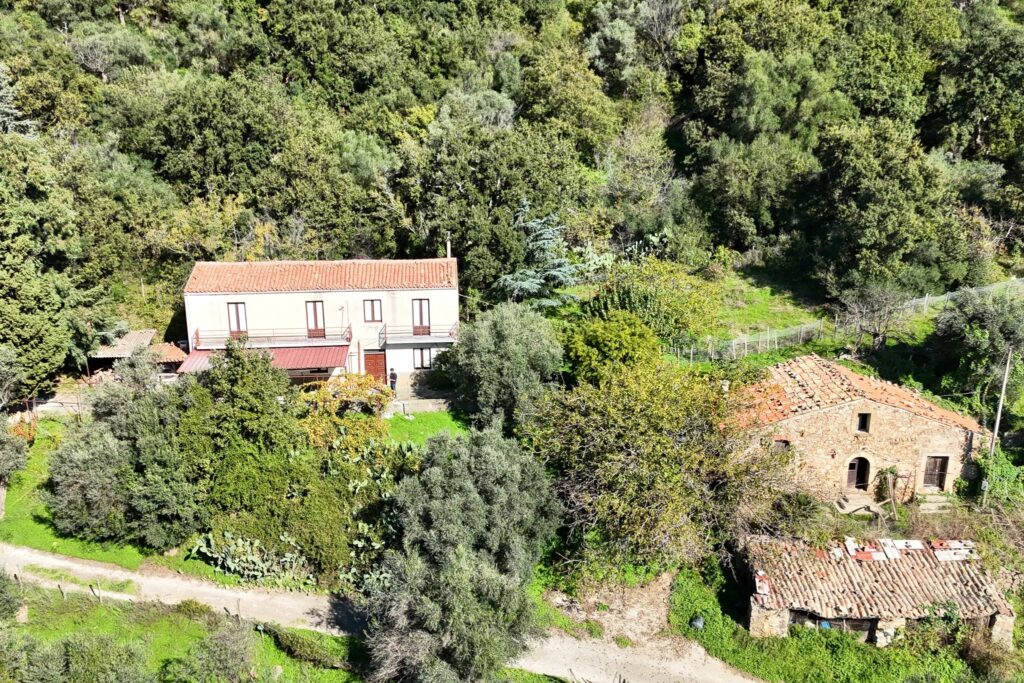
The gently hilly region running inland from the peninsula of Capo d’Orlando is full of low-price homes with great potential. If you’re looking for a quick and affordable solution to buying a property in the Nebrodi, towns like Castelgomberto, Rocca di Caprileone, San Salvatore di Fitalia and San Marco d’Alunzio are fertile territory for your search.

Higher Up

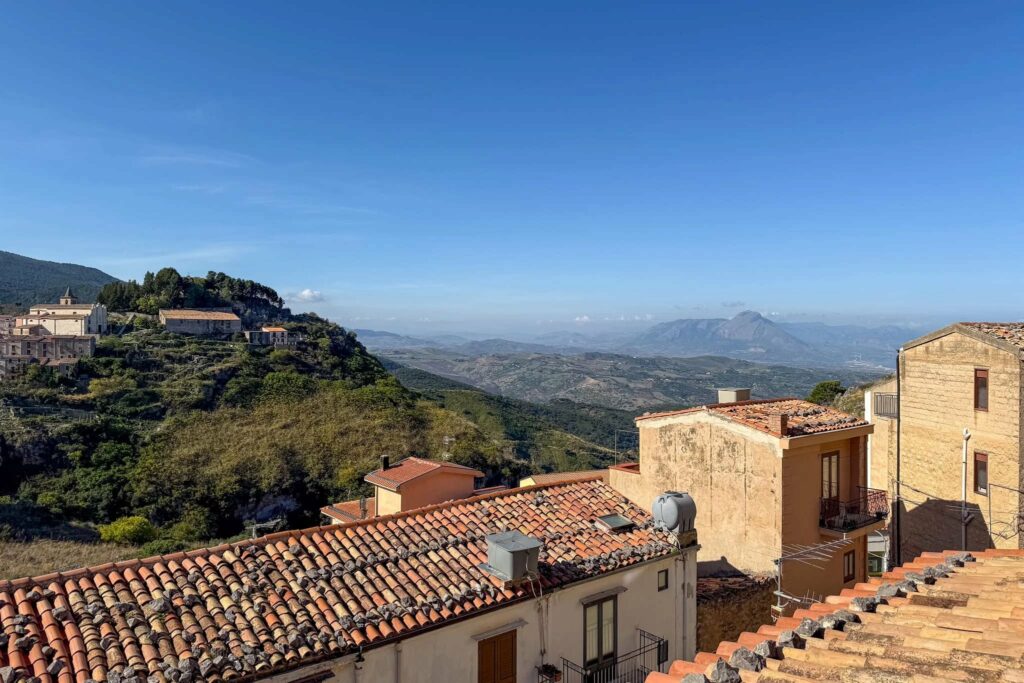
Going higher, still a thousand metres beneath the mountaintops but well above the beaches below you can find towns like Galati Mamertino (at 750m of elevation) Bronte (800m) and Troina (1000m). Smaller villages like Mistretta and Capizzi also have great charm. In the towns themselves, you can expect to find a more limited choice, but you can get some of the best views in the interior of Sicily by buying and developing land, which can be available for an incredibly low price.

Make sure to fully inform yourself about the realities of irrigation, connecting to an electricity supply and so forth before jumping in head first. However, once you have resolved these questions then the huge Sicilian sky is the limit!

Wildlife in the Nebrodi

The park’s animal population has been growing and thriving since the introduction of the conservation order in the 1990s. Previously lost species like the griffon vulture, golden eagle and roe deer have been reintroduced to the park, and you can visit these last in the area around Capriolo, where they are closely monitored and carefully protected by a dedicated team of conservation experts. Wild boar are a famous part of both the landscape – and the region’s cuisine!

The Rocche del Crasto is a dramatic massif between the municipalities of Alcara Li Fusi and San Marco d’Alunzio. As well as the griffon vulture you can also spot golden eagles if you know where to look. We recommend travelling with a guide the first time you set out to explore the area. The Nebrodi Park offers specialists dedicated to trekking, canyoning, environmental education and, of course, the history and culture of the region

Higher Up

1. The City of Capo d’Orlando

Not strictly in the park but right next to it, Capo d’Orlando is just about the largest town on this stretch of coast, but by far its most glamorous. One hour from Messina and one hour from Cefalù, it dates back to the Greek occupation of Sicily, although the modern name clearly reveals its Norman heritage.

A popular seaside resort with a pristine beach overlooked by a Medieval castle, it is home to many small hotels and guest houses. The great Sicilian work of literature, Il Gattopardo, was written by Giuseppe Tomasi di Lampedusa while he holidayed here. If you are interested in running a bed and breakfast or otherwise getting into the tourist market, this would be a great place to look.

Visitors have been drawn to the town for centuries to honour the Maria Santissima di Capo d’Orlando, a chapel in whose honour stands next to the castle. In more recent times the pristine new marina has made the town a magnet for influencers and the yachting community. On warm summer evenings the seafront promenade explodes into colourful life.

Handicrafts and Majolica

Farmers and shepherds have called the Nebrodi home for millennia, and their legacy is present in the region’s traditional handicrafts. Carefully woven baskets of rushes and reeds or handmade embroidery in tablecloths and sheets, coloured mats and carpets known as pizzare are made on ancient looms, and colourful pottery are all distinctive regional specialities.

The pride of the region are the majolica tiles which have become a bit of a design craze right across Europe. You’ll see the floral prints and bold colours replicated on tablecloths, clothing and even water bottles. The regional centre is Santo Stefano di Camastra, known as the town of pottery. They make beautiful souvenirs to remind you of a memorable visit or characterful locally produced decorations for your new home.

2. An Amazing Offer in San Marco D’Alunzio

Under the leadership of charismatic mayor Filippo Miracula, the local authorities in this hilltop town have been trying to find ways to link their home to the outside world, and have come up with not one but two incredible proposals. 

The first offer is that tourists who want to come and stay in the village are able to claim three night’s accommodation completely free. That’s right – no strings attached. The only caveat is that you need to be visiting for the first time. Rooms in beautiful old buildings which have been renovated by the municipality are handed over to local hoteliers to manage, with the proviso that they offer thirty days’ use a year for free to newcomers. You can try this today! Simply visit the relevant page on the town’s website and complete the form (you may need to use a translator if your Italian isn’t perfect yet).

But, phenomenally, there’s more. If you’re taken by the town, a traditional community with a dazzling sea view, and a magnet for ornithologists thanks to its population of the majestic griffon vulture, Europe’s second-largest bird, you might be tempted to buy a place here, right? If you are, and it needs to be renovated, the community will offer you five thousand Euros as a welcome gift. There is no means-testing, no questions asked beyond invoices to show the renovation work has been done legally. All you need to do is buy a property and become resident in San Marco. Who wouldn’t be tempted by that possibility!?

3. …and also in San Salvatore di Fitalia

Standing on top of a hill with verdant valleys to either side, San Salvatore overlooks the River Fitalia which flows into Rocca di Caprileone. By night the nearby towns are lit up like constellations across the dark landscape, while in the day there is a vivid array of colour as the pastures, woodlands and vineyards contrast with the deep blue of the Sicilian sky. Everything from the Aeolian Islands in the north to Mount Etna in the south is captured in a single breathtaking panorama.

The sanctuary of San Calogero, at the southern end of the town, attracts pilgrims who take advantage of a beautiful footpath leading to the town. In the middle of August the town explodes joyfully into a three day celebration dedicated to the saint. 

Nor is the town’s culture limited to this period. A museum is dedicated to the sacred history and devout religious traditions of San Salvatore, and works of public art are immediately evident around the town. Many of the iron shutters on garages and shop fronts have been decorated with a Banksy-style art known locally as ‘Saracinesca’.

Best of all? San Salvatore di Fitalia, like San Marco d’Alunzio offers the incredible €5,000 incentive to new arrivals. You can literally get paid to renovate property in Sicily.

A Mysterious Local Language and a Ghostly Town

Much of life in the Nebrodi is quintessentially Sicilian, only influenced less by the outside world than you’ll find in much of the island. However, there are some genuinely unique little quirks to discover. In the town of San Fratello, 6km south-west of Sant’Agata di Militello, a medieval language called galloitalico has somehow survived over the centuries. Even advanced Italian speakers will be completely lost, but it’s a remarkable addition to the cultural landscape of the region.

Another distinctive curiosity is the ghost town of San Giuliano in the area of Cesarò. Built before the second world war, to house local labourers, it was totally abandoned. You can see the remains of a church, school and post office, but not a living soul.

4. The Forward-Thinking Municipality of Capri Leone

Capri Leone is an insider-knowledge gem, especially for buyers looking to renovate a home in the Nebrodi region. The picturesque coastal community features a small town at sea level, with a beach that offers magical sunsets and a great view of the Aeolian islands. Further uphill, heading inland, the little village of Capri Leone has a wonderful unobstructed panorama that takes in turquoise sea and green countryside in equal measure, and a fresh breeze which keeps you comfortable even in July and August.

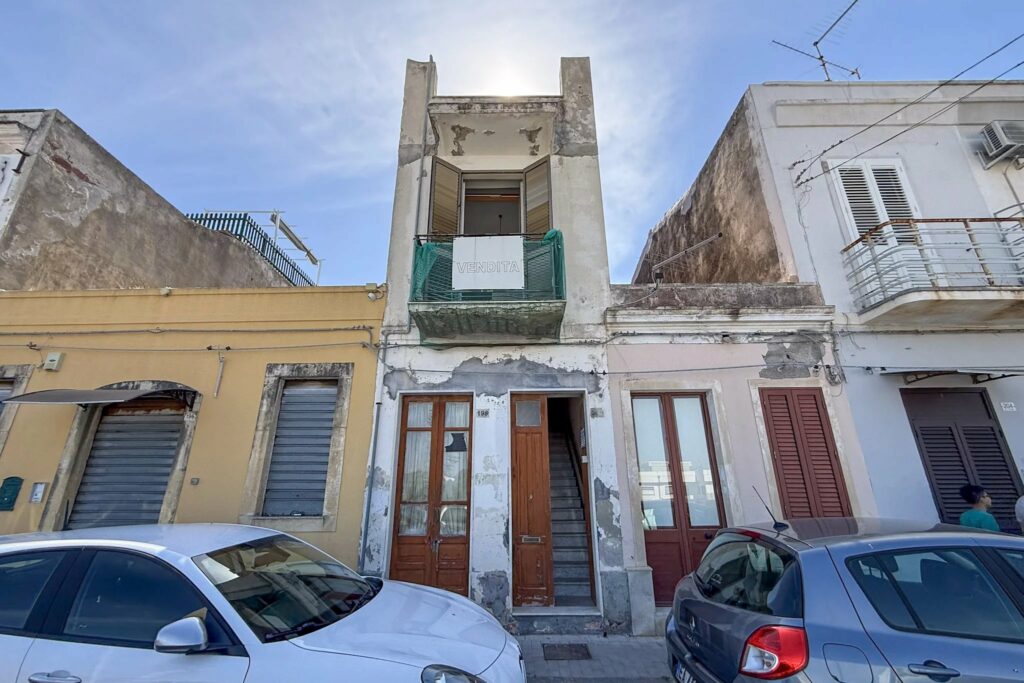
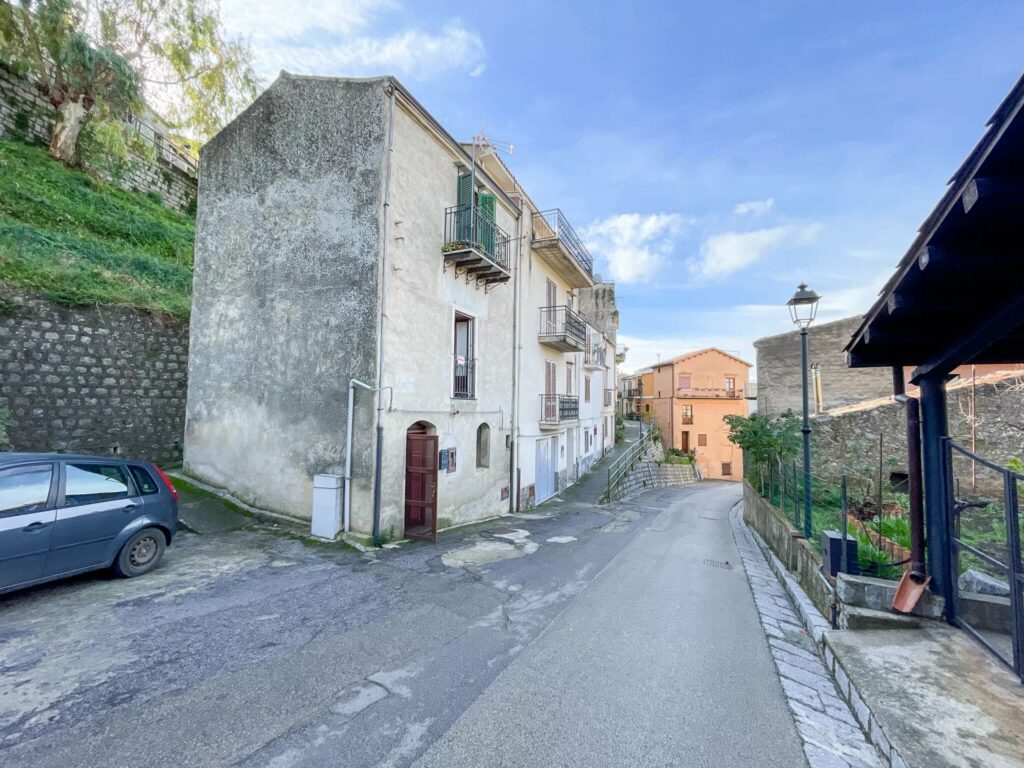
In this latter spot, in particular, the potential to buy restoration-ripe property for low prices is outstanding. The progressive local authority, led by a well-known mayor and an outward-looking team, have actively been trying to court overseas buyers to bring new ways of thinking and a fresh dynamic to the traditional town. This means that you can count on a sympathetic and efficient evaluation of any plans you bring to the council. 

We have some great examples of this kind of real estate in our catalogue of listings, and will certainly be adding more in the coming months. If you’re considering buying a property in the Nebrodi, make sure you keep a close eye on Rocca di Caprileone.

5. Mirto and its Remarkable Museum

Just up the road from Capri Leone, Mirto is a really welcoming community which is actually walkable from the little village, especially on a sunny spring or autumn day. This is where you will find the nearest convenience stores, as well as a butcher’s, a bakery and a couple of friendly restaurants.

Rather less predictably, Mirto is also home to the really impressive museum of Sicilian costume and fashion. Housed within an imposing villa which seems almost a castle from the outside, the well-curated collection features over 1500 pieces spanning the history of the island’s outfits. The quality is phenomenal and if this were found in Palermo or Catania it would certainly attract thousands of visitors. You can take advantage of the remote location to lose yourself in the exhibits in beautiful peace and quiet.

A Foodie’s Paradise

In Sicily, culture and food always go hand in hand, and the Nebrodi is no exception. The famous salami made from the Nebrodi black pig is the local pride and joy, but the locals are also fabulous cheesemakers – try the canestrato, the aromatic maiorchino and flavourful examples of pecorino and ricotta.

Some of the most delicious vegetables to be found anywhere in Europe are grown here, and olives, hazelnuts, and berries are also abundant in the region. Combined with the famous local honey these are often used to create some mouth-watering sweet dishes.

The most valuable local produce is undoubtedly the prized pistachios of Bronte, at the south-east edge of the park, on the lowest slopes of Mount Etna. The biennial crop, considered the finest to be found anywhere in the world, is so valuable that during the harvest season it receives round-the-clock police surveillance. Once the ‘green gold’ has been safely delivered to the retail market, villagers celebrate with a sagra festival devoted entirely to the delicious nut.

6. Galati Mamertino

Deep in the park, Galati Mamertino is a very hilly community whose elevation runs from 720 to 880m. Its location 15km south of Capo d’Orlando makes it one of the last inhabited outposts before the Nebrodi open up into their great untouched wilderness, and this in turn create an irresistible draw for lovers of the great outdoors.

Whether you dream of cycling around winding mountain roads, feeling the wind rush by you on a motorbike, or simply hiking in some of the quietest and most inspiring scenery to be found anywhere on Sicily, Galati Mamertino is a perfect base. Perhaps more than anywhere else on this list, it is a place where you feel as if you have stepped back in time, a reality completely different to the bustle of the modern, commercial world. Of course, you can still enjoy the convenience of a small supermarket, some great restaurants and good quality fibre-optic broadband with speeds of up to 1 gigabyte per second.

7. Ficarra

450m above sea level, with beautiful views of the Aeolian Islands, Ficarra is home to about 1,300 residents. The town’s name is a bit of a mystery, with one group of historians believing it derives from the figs which grow freely in the leafy region, while another suggest the first settlers here, the Arabs who ruled Sicily in the ninth and tenth centuries, named it Al Fakhar (‘the glorious’). Either explanation certainly works… with the plentiful local agriculture and glorious views both well worth naming a town after.

Just five kilometres from the nearest beach, Ficarra is a great Nebrodi option for buyers who want a summer holiday property. It would be very suitable for a young family to spend a fantastic few months every year.

Water Water Everywhere…

Much of the Nebrodi’s most beautiful geography is water-based. Not only can you enjoy nearly fifty kilometres of dramatic and largely untouched coastline, but even in the mountains there is beautiful fresh water. 

Lake Biviere, in the municipality of Cesarò, is a gorgeous natural late surrounded by beech forests. Home to numerous bird species of waterfowl, it is an ornithologist’s paradise.

The Cascata del Catafurco waterfall is is a thirty-metre drop of the San Basilio river, in the hills above Galati Mamertino. The waters of the waterfall rise into the so-called Giant’s Cauldron, a natural cavity carved into the rock where you can take a dip on a warm day. More beautiful waterfalls are found at Mistretta, with seven torrents up to thirty metres in height.

Conclusion: An Overlooked Gem on Sicily’s North Coast

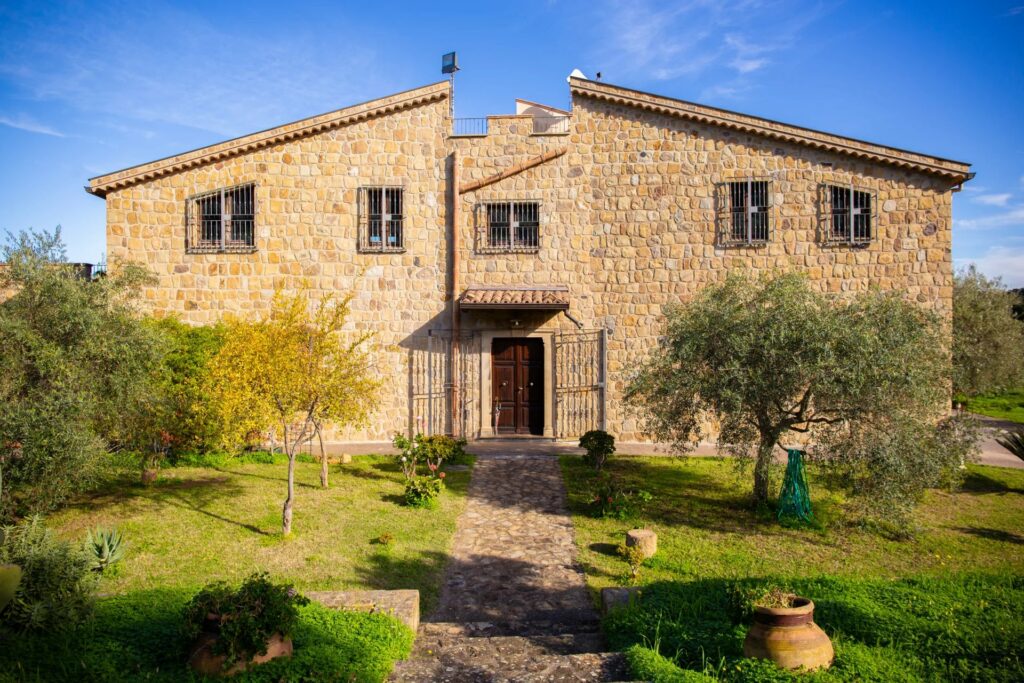
Whether your dream is relaxing in the luxury of a Tuscan-style villa with a swimming pool, the thrill of renovating an inexpensive townhouse with a sea-view roof terrace or the challenge of buying land and developing it from scratch, the hills of the Nebrodi Natural Park would make a quietly beautiful backdrop. With lower prices than those you’ll find in the more densely-populated areas of the island, and outward-looking authorities waiting to welcome you, this is a stunning hidden treat you’ll be delighted you took the time to explore.

Remember that if you find a property listed on another website but would still like the advantages of working with a trusted international team, you can contact Property in Sicily – before speaking to the second agency – and we will reach out on your behalf to see if we can reach a deal whereby they will allow us to handle the sale.

FAQ

Why is the Nebrodi Park one of the best value real estate markets in Sicily?

The Nebrodi offers property prices below €500/m² in most municipalities, making it one of Sicily’s most affordable regions. The sparsely populated mountainous terrain creates a genuine buyer’s market where supply exceeds demand. Properties in towns like San Salvatore di Fitalia, Rocca di Caprileone and San Marco d’Alunzio cost a fraction of coastal equivalents.


Beyond pricing, the region’s 80,000 km² nature reserve provides unmatched value for lovers of nature and the great outdoors. Sicily’s largest protected area offers dramatic landscapes from Monte Soro’s 1,847m peak to pristine Tyrrhenian beaches. Much of the region is within one hour of Cefalù and Messina, and the proximity to the Aeolian Islands is also highly prized. Buyers access all this variety, an unspoilt natural beauty and traditional Sicilian culture whilst paying remarkably little. Some municipalities even offer grants to new property buyers who renovate homes there.

The foothills running inland from Capo d’Orlando offer exceptional value. Towns like Castelgomberto, Rocca di Caprileone, San Salvatore di Fitalia and San Marco d’Alunzio provide low-price homes with renovation potential. These locations balance accessibility with mountain views, typically sitting 300-500m above sea level with dramatic panoramas.

Higher elevation villages like Galati Mamertino (750m), Mistretta and Capizzi offer even lower prices for those prioritising views and wilderness access. Building land here can cost remarkably little, though buyers must budget for utilities connection. Coastal areas near Santo Stefano di Camastra and Sant’Agata di Militello provide more expensive but still affordable options with beach access. The sweet spot is mid-elevation foothills where prices remain low but infrastructure is accessible.

Properties within the Nebrodi Natural Park face stricter planning controls than coastal areas. The park authority (Ente Parco dei Nebrodi) must approve any development affecting the landscape, including external renovations, extensions and new builds. Typical restrictions include maintaining traditional architectural styles, using local materials and limiting building heights.

Protected zones within the park may prohibit new construction entirely. For existing properties, internal renovations generally face fewer restrictions, though structural changes still require standard building permits (permessi di costruire). Agricultural land conversions follow the same limits for the size of building (the so-called ‘1% rule’) as elsewhere in Sicily. 


Progressive municipalities like Capri Leone actively support renovation projects with sympathetic planning evaluation. However, buyers are advised to always consult the park authority and local council before purchasing property for development, as regulations vary significantly by zone and elevation.

A car is more or less essential for living in the Nebrodi. The mountainous terrain and dispersed villages make public transport impractical for daily life. Sant’Agata di Militello has a train station connecting to Messina, Palermo and Cefalù, whilst buses serve major towns, but services are infrequent and schedules designed for commuters. The park’s main operators AST (Azienda Siciliana Trasporti) and SAIS Autolinee serve nearby coastal towns, but bus connections into the park villages are sparse.

Where they do exist, rural bus services typically correspond with school and business hours and market times, meaning early departures and the potential to find yourself stranded after mid-afternoon. There are virtually no Sunday services.

The region’s appeal lies in remote mountain villages and countryside properties inaccessible by public transport. Mountain roads wind dramatically between elevations, with some villages 15-20km from the nearest services. Even coastal towns like Santo Stefano di Camastra require driving to reach beaches and shops efficiently. Fortunately, the winding scenic routes reward drivers with spectacular views.

The Nebrodi caters to a niche holiday rental market focused on eco-tourism, hiking and authentic rural experiences rather than mass tourism. Income potential is modest compared to coastal Sicily, so this isn’t a get-rich-quick market but one that suits owners prioritising lifestyle over maximum returns. The lack of tourism is reflected in the strongly evident character of the park’s towns and villages. Many buyers acquire properties for personal second home use and see rental income as a pleasant bonus. Properties here attract nature enthusiasts, ornithologists visiting for griffon vultures and golden eagles, and travellers seeking agriturismo experiences.

Mountain properties with views typically rent for €60-100 nightly during peak season (May-September), with lower rates in winter. Annual gross income for a well-presented 2-bedroom property might reach €8,000-12,000. This is significantly below coastal areas but reflected in lower purchase prices and operating costs. The market favours authentically restored properties with outdoor space and proximity to hiking trails. Success requires marketing to specific demographics: trekkers, birdwatchers, digital nomads seeking quiet and cyclists. Properties near Capo d’Orlando or with Aeolian Islands access perform better.

San Marco d’Alunzio and San Salvatore di Fitalia both offer €5,000 grants to property buyers who complete renovations. There’s no means-testing or nationality restrictions – simply purchase property requiring renovation, become resident and provide invoices proving legal completion. This effectively subsidises renovation costs, making already-affordable properties even more attractive.

San Marco d’Alunzio additionally offers three nights’ free accommodation to first-time visitors through its ospitalità diffusa scheme. Rooms in renovated municipal buildings are handed to local hoteliers who must provide 30 days annually at no cost. This allows buyers to experience the village before committing. Capri Leone’s progressive council actively courts international buyers with sympathetic planning processes, though no direct financial incentives. These municipalities recognise that attracting new residents revitalises communities, creating win-win scenarios for both buyers seeking value and villages seeking regeneration.

San Marco d’Alunzio stands out for its €5,000 renovation grant, hilltop medieval setting at 550m elevation and spectacular sea views. The town attracts ornithologists drawn to Europe’s second-largest bird, the griffon vulture, and offers authentic Sicilian character with tangible financial support for buyers.

San Salvatore di Fitalia provides similar €5,000 grants with dramatic valley views encompassing both Aeolian Islands and Mount Etna. The town’s decorated garage shutters showcase creative regeneration efforts, whilst the August San Calogero festival creates a vibrant community atmosphere. At 470m elevation, it balances mountain character with accessibility.

Capri Leone offers the region’s best coastal access with a beach village at sea level and hillside settlement providing panoramic views. The forward-thinking municipality actively welcomes international buyers with efficient planning processes. Galati Mamertino at 750-880m elevation suits buyers prioritising wilderness immersion, offering world-class cycling and hiking from a traditional mountain community. Capo d’Orlando, whilst pricier, provides glamorous coastal living with marina access to the Aeolians.

MESSINA E NEBRODI PARK LISTING

Gratteri - contrada mandilo
Gratteri - Viale Vittorio Emanuele
9 1 217 m²
Featured
Caronia
11 4 2 223 m²
€ 795.000 Gaetano VARCASIA Gaetano VARCASIA
Featured
Rodì Milici
7 3 2 143 m²
€ 175.000 Romolo GRUESSNER Romolo GRUESSNER
Price Drop
San Salvatore di Fitalia - Contrada Grazia, 67, 98070 San Salvatore di Fitalia ME
10 3 2 160 m²
Messina - Località Mili Marina
6 2 2 100 m²
€ 230.000 Romolo GRUESSNER Romolo GRUESSNER
Gratteri - Via Bellini, 1
6 2 2 92 m²
€ 79.000 Romolo GRUESSNER Romolo GRUESSNER
Galati Mamertino - Via Mercato, 8
6 3 1 89 m²
Gioiosa Marea - vico umberto I 12
5 2 1 96 m²
€ 95.000 Thomas GRUESSNER Thomas GRUESSNER
San Marco d'Alunzio - Vicolo Primo Piano San Marco
7 3 2 240 m²
€ 200.000 Valerio GRUESSNER Valerio GRUESSNER
Augusta - Via Favignana 18
390 m²
€ 255.000 Thomas GRUESSNER Thomas GRUESSNER
San Salvatore di Fitalia - Contrada San Biagio
7 2 2 190 m²
€ 150.000 Valerio GRUESSNER Valerio GRUESSNER
Augusta - Via Millo Enrico, 20
6 2 1 120 m²
€ 100.000 Thomas GRUESSNER Thomas GRUESSNER
Caronia - Via Amerigo Vespucci, 2
4 2 1 68 m²
€ 150.000 Gaetano VARCASIA Gaetano VARCASIA
Mistretta - Contrada Marinello
7 2 1 211 m²
€ 105.000 Gaetano VARCASIA Gaetano VARCASIA
Furnari - Contrada Zurà
2 1 1 50 m²
€ 138.000 Thomas GRUESSNER Thomas GRUESSNER
Augusta - Via X Ottobre
9 2 2 110 m²
€ 49.000 Thomas GRUESSNER Thomas GRUESSNER
Gratteri - Via Pozzarello, 8-10
3 1 1 95 m²
Mistretta - Contrada Candito
2 1 67 m²
€ 75.000 Gaetano VARCASIA Gaetano VARCASIA
Gratteri - via gibilmanna 4 gratteri
4 2 1
Gratteri
3 2 75 m²
Augusta - Via Orso Mario Corbino
7 3 1 110 m²
€ 75.000 Thomas GRUESSNER Thomas GRUESSNER
Gratteri - Via Pozzarello, 31
6 1 1 153 m²