

Investing in Sicily

So you’re thinking of relocating to Sicily. Do you already have a clear idea of what life here will look like? If so you can skip this article and get straight to browsing our database of property listings. But if you are in the market for business or investment opportunities on the island, well, we’ve been in your shoes ourselves!

Business Opportunities in Sicily

Perhaps you have a dream of becoming an entrepreneur, but are worried about the expense? Investing in Sicily is a great way in which to start: wage costs and living expenses are low, and quality of life is high.

60% of the Sicilian economy is in the service sector, but the region is also Italy’s agricultural heartland. The island is a major exporter of pasta, wine, olive oil and other locally grown and cultivated products. There is also a large ceramics industry. The main value here is in our unrivaled image. By investing in Sicily you are buying into a name, iconography and cultural heritage which are key selling points when exporting goods. Many successful companies focus on sharing the stories behind their products.

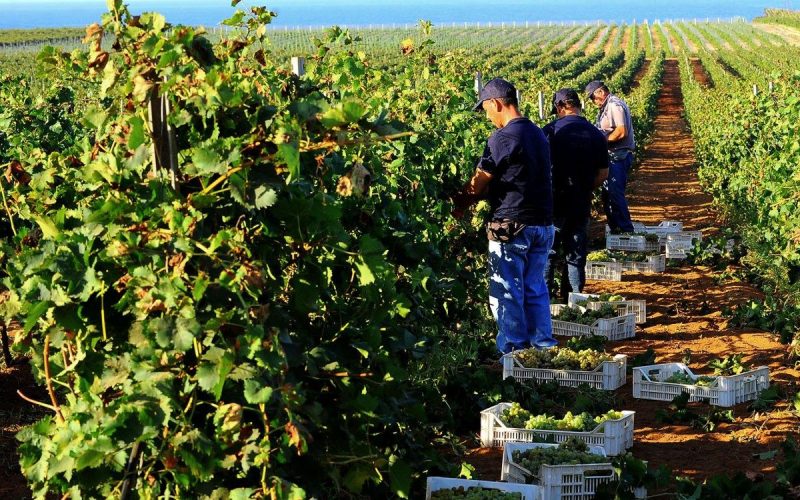
Perhaps you have dreamed of creating your own produce? The cheap cost of land in Sicily, combined with the fertile soil and perfect climate make this kind of small industry very possible – as does the boom in demand for organic and small-scale produce. One idea we would recommend for its low startup costs and simple charm is to make your own olive oil.

This can be done anywhere you have space for a small olive grove – if you search our database of properties for sale in Sicily using the ‘land’ filter, you will discover several excellent possibilities for investing in Sicily! Wine production is of course another possibility, but this can be a more expensive process and requires more specialist knowledge.

Lingua Franca

If you are reading this page in English then one industry you might consider is using your language skills. The demand for English teaching and translation is everywhere, and Sicily is no exception – just ask our British colleague Sandy (who is helping write this page at the moment!)… Sandy moved here four years ago to work as a language teacher and has since founded a small association which uses theater to teach English to local students. In his spare time he says it’s a pleasure to work on with a project that can share the excitement and beauty of Sicily with the wider world. We didn’t even tell him to write that bit – he just added it in himself!

Of course, many people these days have become digital nomads, working online in all kinds of languages. If you’re looking for a base for that lifestyle then, honestly, this culture-packed Mediterranean jewel sells itself!

The Tourist Dollar

And, of course, the largest opportunity for investing in Sicily is the tourism industry. From small-scale B&Bs to vacation rentals to hotels the affordable price of real estate, stunning year-round climate, excellent air travel connections to all major European cities through the airports of Palermo and Catania and the island’s strong identity and name recognition are all in your favor.

The industry also supports a wealth of secondary economic activity. Once the area becomes familiar turf your local connections will make you a valuable point of reference for many of the 15 million people who visit Sicily each year. The region is the fastest-growing tourist market in Italy and this is no Costa Del Sol – very few of these arrivals travel on package deals, with the vast majority in search of an experience that is authentic and local. This creates demand for tour planners, guides, language travel and homestay hospitality. So just by living in and getting to know a charming community you are developing a marketable knowledge base – it’s beautiful!

Thanks to increased low-cost air traffic in recent years, one fast-emerging market in Sicily is the mini break economy in and around the city of Palermo. Once seen as a slightly poor cousin of the great Northern cities like Milan and Turin, Palermo has enjoyed a real renaissance over the past decade, culminating in it becoming Italian Capital of Culture in 2018. There would be potential here to run anything from a bed and breakfast to a street food tour, or for larger scale capital investment or property speculation.

English is not yet widely spoken here, so if you are not yet fluent in Italian speaker it would pay dividends to take some classes to help make these connections. We can put you in touch with good teachers online or all over Sicily!

Crime and Punishment?

Any concerns you may have about the effect of Mafia activity on your dream of investing in Sicily are completely understandable, but, in the twenty first century, overwhelmingly misplaced. Yes, we are all aware of the island’s troubled past but in this day and age what organized crime remains is concentrated in specific areas like the narcotics trade and large-scale construction projects.

Thanks to community initiatives like ‘Addiopizzo’, a union of business owners who took a stand against the protection rackets of the past, today’s Mafia reality is more one of political maneuvering and white collar crime than interference with small businesses. In the thirty years we have been living and working in Sicily we have never had a problem with this, and none of our clients have reported any difficulties while settling here or starting businesses.

Too good to be true?

If you’re planning to support yourself through self employment or running a small business we understand that you’ll want a realistic picture of the challenges as well as the opportunities available. One of these is that the culture in many areas of Sicily is very well-established and some locals can be slow to embrace new ideas. However, one such pattern of behavior which has endured for centuries is hospitality and socializing. Our best recommendation is to take advantage of this and do what you can to become a part of the local community. You will find most people very welcoming and gestures of kindness reciprocated. Sometimes you need to think in less straight lines, and find ways to cooperate and collaborate with other businesses which might seem informal in other countries, but here can pay big rewards, both socially and professionally.
“Homes for a Euro” is such a great headline that even newspaper giants like The New York Times and The Telegraph have run the story. Here, for example, is a very thorough and accurate report from CNN.

The expatriate community is also strong, with populations from the US, UK, Germany, Russia, Scandinavia and more besides. In the areas of Palermo and Cefalù, Catania and Taormina, Naxos, Trapani and Marsala there are groups both offline (like the German-speaking community in our area, to whom we’d be happy to introduce you) and online (like this social group in Palermo who are planning to organize a regular meeting for small business owners) who have close relationships and are happy to share their experiences.

Another issue faced by investors and new arrivals is the sometimes incomprehensible Italian bureaucracy. If you are already involved in a property transaction here then you will understand what we mean. Working out what you owe to whom (and, significantly in a market with such generous subsidies for overseas investors) what you can claim from where can be an uphill struggle. Especially if you are going to become a resident or develop a business we strongly recommend finding a trusted accountant and business manager. Fortunately, we have a wide network of contacts and would be delighted to help you find someone in your new area who speaks your language. In the meantime take a look to the article we wrote about relocating to Sicily.

FAQ

Is buying real estate in Sicily a good investment?

Yes, Sicily represents excellent investment value. Property prices average just €1,041/m², making it Italy’s third cheapest region, but have grown steadily since 2022, without getting back to the peak values seen around a decade ago. This suggests unrealised value in the resale market.

Looking at rentals, tourism is the fastest-growing industry in Italy, with 15 million annual visitors creating strong demand. Well-located high spec two-bedroom properties in Sicily generate €20,000 to €25,000 gross annual rental income, with three-bedroom or elegant properties reaching €30,000 to €35,000. Unlike package-holiday destinations, most visitors seek authentic experiences, supporting year-round occupancy potential, and the island’s year-round climate enables extended rental seasons compared to seasonal markets further north in the Mediterranean.

Low purchase costs, growing tourism numbers, excellent air connections through Palermo and Catania airports and Sicily’s strong international brand recognition all favour property investment.

Gross rental yields vary significantly by location and property type. Well-positioned two-bedroom flats in tourist areas generate €20,000 to €25,000 annually, whilst three-bedroom or particularly elegant properties reach €30,000 to €35,000. After deducting management fees (typically 30%), platform commissions, utilities, taxes and maintenance, owners typically net around 50% of gross income as profit.

Properties in established tourist hubs like Palermo’s old town, Catania, Cefalù, Taormina and coastal areas command premium rates. The mini-break economy around Palermo, boosted by low-cost air traffic and the city’s 2018 Italian Capital of Culture designation, shows particularly strong growth. Sicily’s 15 million annual visitors predominantly avoid package deals, seeking authentic experiences that support higher per-night rates than mass-market destinations.

The province of Palermo stands out for its renaissance and mini-break economy growth. Once overshadowed by northern cities, recent public investment in urban regeneration has transformed the Sicilian capital. Increased low-cost air traffic created strong demand for short-stay accommodation, whilst the city offers diverse opportunities from B&Bs to street food tours. English remains uncommon, creating demand for language services and giving early movers competitive advantage.

Further east across the province, the Mongerbino coast balances natural beauty with ease of access to the city. Cefalù and the Madonie Park balance tourist appeal with authentic character, attracting international buyers seeking lifestyle investments. Catania and Taormina offer established markets with consistent demand. Trapani and Marsala provide western coastal opportunities with excellent wine country connections. The southeastern baroque triangle around Ragusa, Noto and Syracuse draws culture-focused visitors year-round. Each area retains distinct Sicilian identity absent from overdeveloped Mediterranean coasts.

Starting a business in Sicily involves navigating Italian bureaucracy, which can be complex and time-consuming. However, low wage costs, affordable commercial property and quality of life make the island attractive for entrepreneurs. Sixty percent of Sicily’s economy operates in services, with strong agricultural and tourism sectors providing diverse opportunities.

Major challenges include understanding tax obligations, obtaining necessary permits and adapting to local business culture where informal collaboration often proves more effective than rigid planning. Hiring a trusted accountant (commercialista) who speaks your language proves essential for managing bureaucratic requirements and accessing generous tax incentives. The inpatriate tax regime offers 50% income exemption for qualifying entrepreneurs relocating to Sicily. Community initiatives like Addiopizzo demonstrate modern Sicily’s rejection of historical protection rackets, with small businesses operating freely.

Entrepreneurs relocating to Sicily can access the inpatriate tax regime, offering 50% income exemption on earnings for five years, applicable to both employment and self-employment income. High-net-worth individuals can opt for the €200,000 flat tax on worldwide income regardless of business structure. Companies opening Sicilian branches benefit from reduced employment costs as staff qualify for the same 50% exemption, potentially lasting a decade. EU citizens face no restrictions on establishing businesses, whilst non-EU citizens can apply for self-employment visas

Yes, foreigners can own and operate companies in Sicily. EU citizens face no restrictions on establishing businesses and can register companies freely. Non-EU citizens need appropriate visa classifications, typically self-employment visas demonstrating stable income and business plans, or entrepreneur visas for those founding Italian companies.

Company registration (partita IVA) requirements apply equally to Italians and foreigners once residency or work permissions are secured. The process involves registering with the Chamber of Commerce, obtaining tax codes and meeting sector-specific requirements. Foreign entrepreneurs relocating to Sicily can access the inpatriate tax regime’s 50% income exemption for five years. High-net-worth individuals may opt for the €200,000 annual flat tax regardless of business structure. Professional guidance from accountants and lawyers familiar with foreign business ownership streamlines the process considerably.

Selling homegrown food requires registration as an agricultural business (impresa agricola) through the Chamber of Commerce and obtaining a business tax code (partita IVA). You’ll need health and safety certifications (HACCP) for food handling, particularly for processed products like olive oil, wine or preserves. Fresh produce sales at farmers’ markets typically require simpler registration than processed foods.

Agricultural land purchases often come with existing cultivation rights, but check zoning permits (permessi) allow commercial food production, not just personal use. Organic certification (certificazione biologica) requires additional documentation and inspections but commands premium prices. Wine and olive oil production face stricter regulations due to Italy’s protected designation systems. An agricultural accountant (commercialista agricolo) helps navigate sector-specific tax advantages, including reduced rates for agricultural businesses. Local chambers of agriculture (camere di agricoltura) provide guidance on regional requirements and available grants.