Trapani is a historic merchant city, founded in the late bronze age by the ancient Elymians to serve as the port for their fortress town of Erice, perched 750m above sea level atop the mountain which rises above the town. Today the tide has turned, with Trapani by far the more populous community.
The Greeks later settled the territory, calling it Drepana, which meant ‘sickle’. Legend claimed that a sickle which fell from the hands of the god Saturn (the ancient patron of the town, now commemorated in a famous fountain near the cathedral) became the curved peninsula where the Tyrrhenian and Mediterranean Seas meet. Later the port like so many of the great cities of Sicily, passed through the governing hands of Carthaginians, Romans, Arabs, Normans and Aragonese. A walk through its old town will immediately showcase the various cultural footprints left in the architecture, art and monuments.
Locally, Trapani is known as is the city of salt and wind. Travellers come to see the traditional sea salt flats and windmills. It is also the primary gateway to the Aegadian Islands (Favignana, Levanzo, and Marettimo). These islands are known for their natural beauty, crystal-clear waters, and traditional way of life.
The municipality of Trapani has an even lower average house price
than the provincial average, with the typical square metre of home changing hands for just €920 at the end of 2023. A strong tourist interest in the town is reflected in the fact that rental income is higher than average for the province, making it a good candidate for buy-to-let investment.
For international property buyers, a few areas of Trapani will be of particular interest.
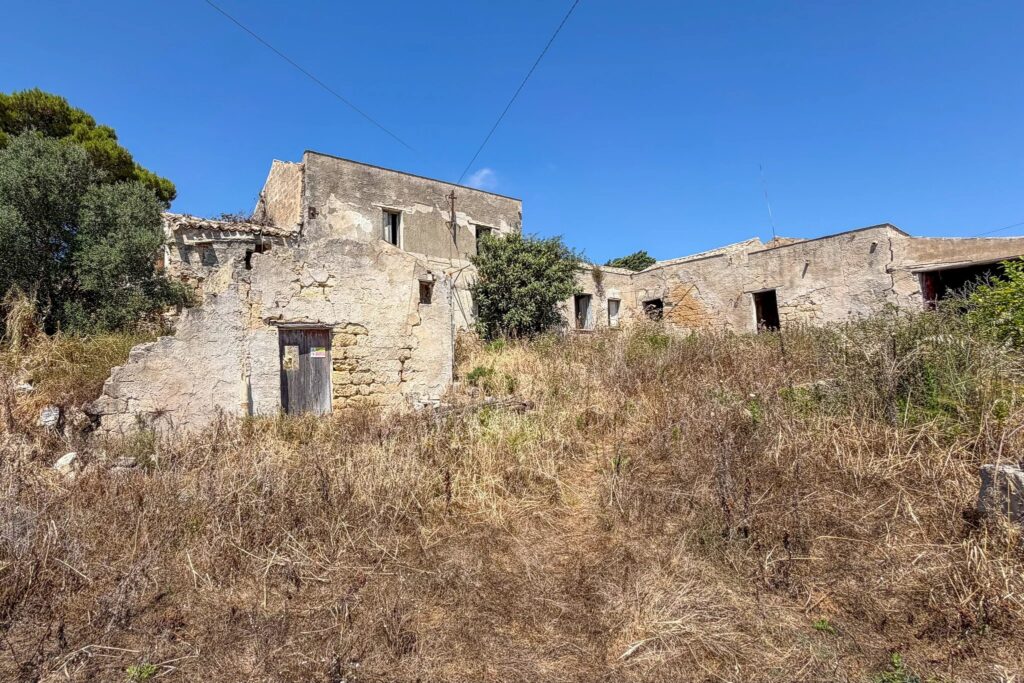
The centro storico, or old town, is the final peninsula which protrudes out into the Mediterranean flanked on one side by the port and on the other by the sea wall and urban beach. As you can imagine, this area is steeped in history and can be an exciting place to buy property for renovation. It is a very walkable district, where vehicle access is in fact limited, and the most popular area of the city for tourists, giving all kinds of residential real estate here strong potential as a holiday rental property. Drawbacks to living in such characterful surroundings include the sometimes tricky logistics of keeping a car here and some rather antiquated public infrastructure. Housing in this area is a mix of small apartments and two or three storey terraced houses.
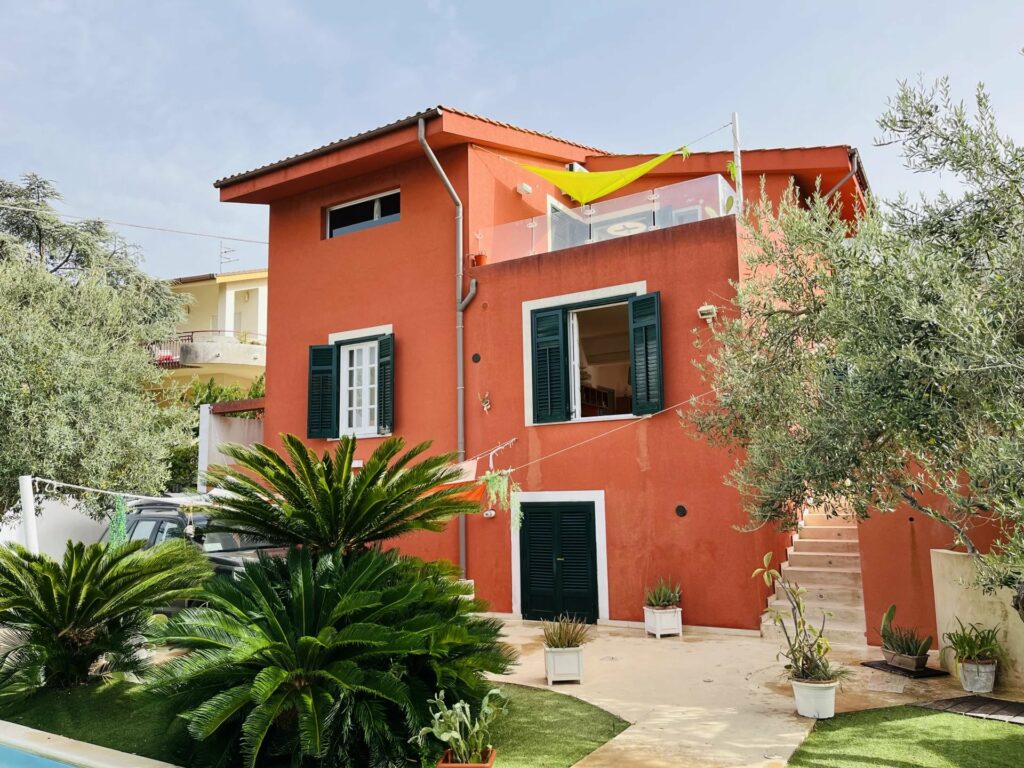
The modern centre begins at via XXX Gennaio, which is flanked by modernist municipal buildings like the police station at one end, and the courthouse at the other. In between lies the elegant park of Villa Regina Margherita, known locally simply as ‘la villa’. Properties in this area will mostly date from the first half of the twentieth century, and you will find some beautiful prestige homes, especially close to the park. By staying close to the arterial Via Giovanni Battista Fardella, you will find some comfortable family apartments in good condition.
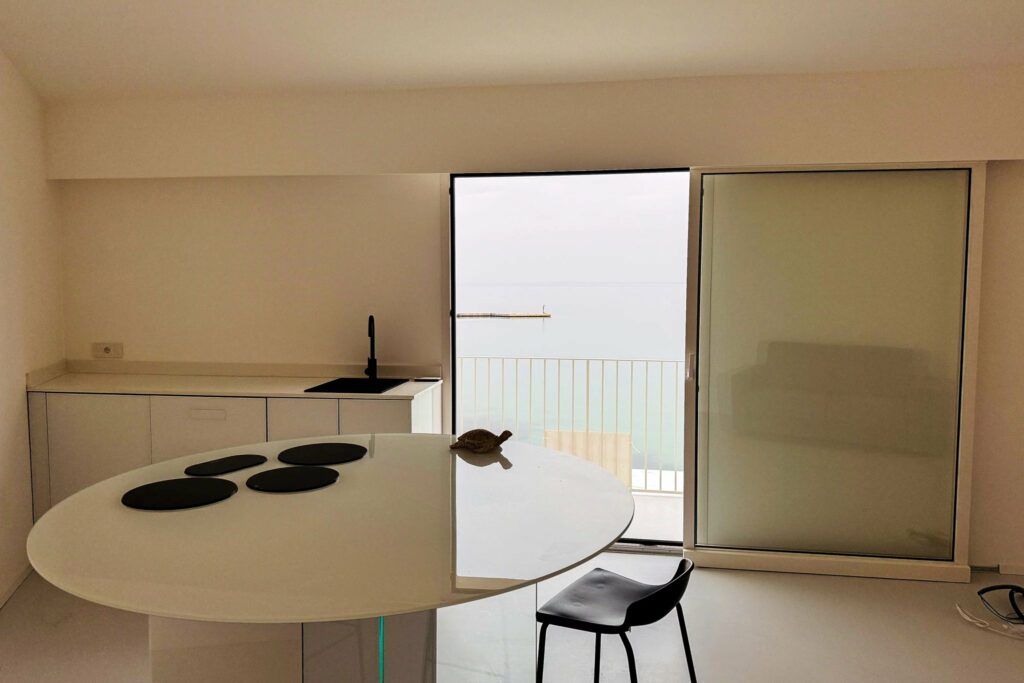
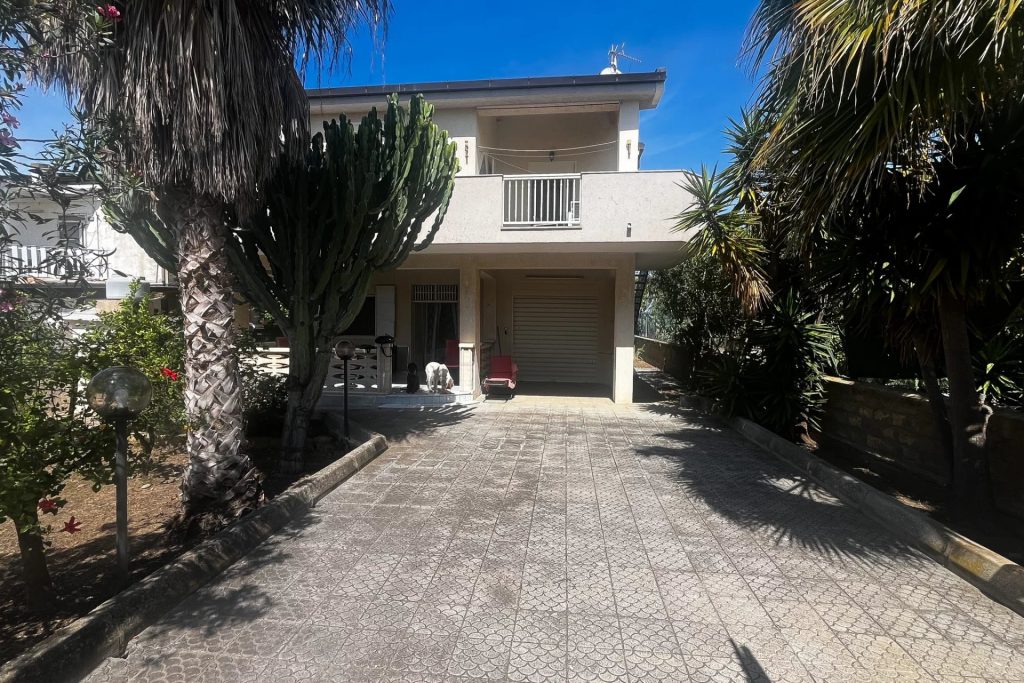
At the eastern end of the city the land slopes upwards towards the huge hill topped by the historic town of Erice. Confusingly, this area, which includes the hospital, football stadium, and many of the lidi, or beach bars, is also part of the municipality of Erice, and may show up in real estate searches under the latter name. To differentiate, you can refer to the modern, lower town which connects seamlessly with Trapani as Erice Valle or Erice Casa Santa. Inland this district is residential, but along the coast you can find some modern apartments and large villas. The water is very clean and the beaches are hugely popular in the summer. A cable car takes you up to the old town in about ten minutes of scenic climbing.
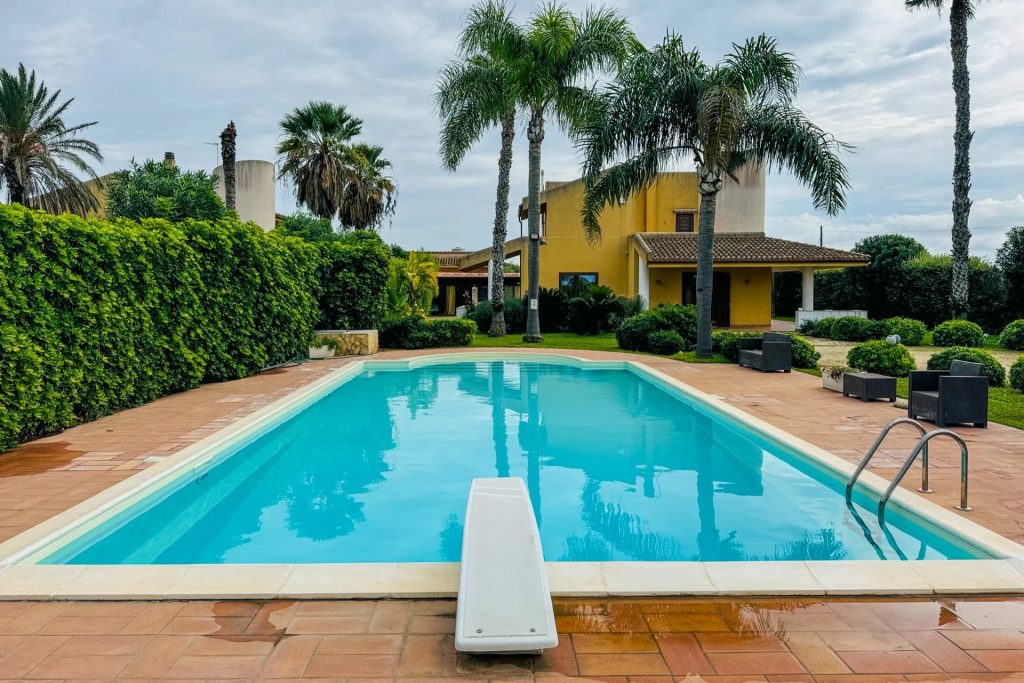
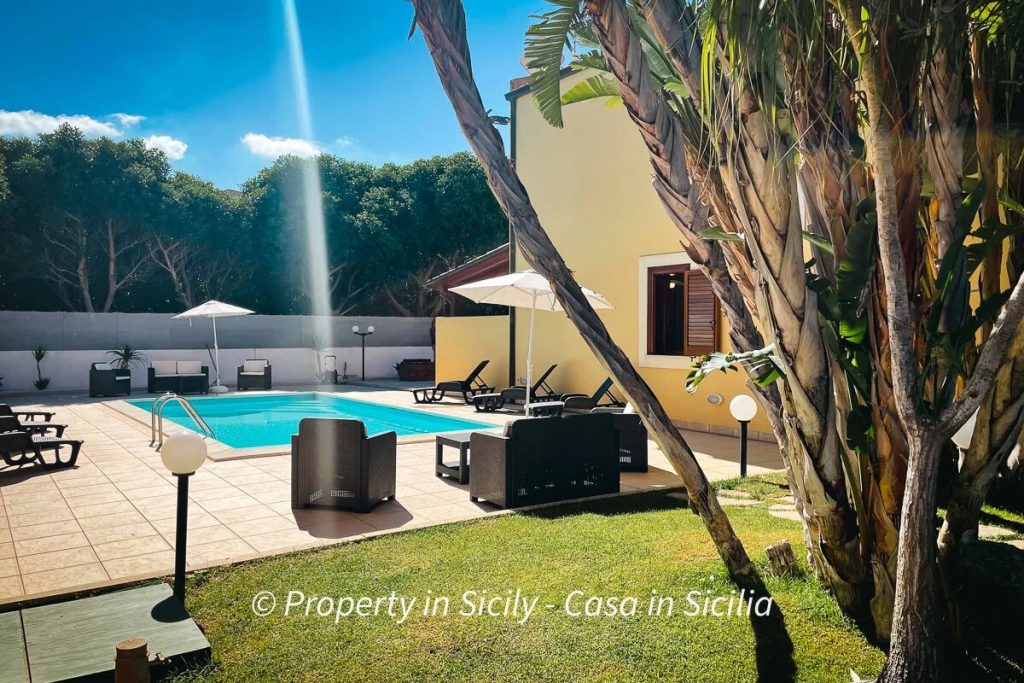
Lovers of the sea may want to investigate the coastal area south of the city, around Salinagrande and Marausa Lido. Here you will find modern developments of detached holiday homes, many of which have direct access to the sandy beaches of the region. These are also very conveniently located for access to the airport.