The neat geometry and monumental architecture of the centre of Noto has an almost otherworldly quality, compared to the ramshackle terraces and meandering alleyways that make up many Sicilian cities. Wide boulevards, photogenic staircases and grand piazzas have the cohesion that can only come with a grand rebuild, and they have earned the city its nickname the Stone Garden. The golden limestone of the Cathedral of San Nicolò and nearby palazzi of Ducezio and Nicolaci seems to glow, especially as the sun sets behind the hills to the west of town.
Regular tourism and a busy cultural scene make Noto very international and the quality of life here is very high, with the chocolate box municipal theatre always busy and an abundance of music and events in the streets right through its long leisurely summers. Fashion icon Domenico Dolce is a regular visitor to the city, along as was his business partner, the late Stefano Gabbana. In the springtime the whole city centre is submerged in a carpet of colour for the Infiorata flower festival, and the region’s fertile growing soil also gives us one of Italy’s legendary grapes, the Nero d’Avola.
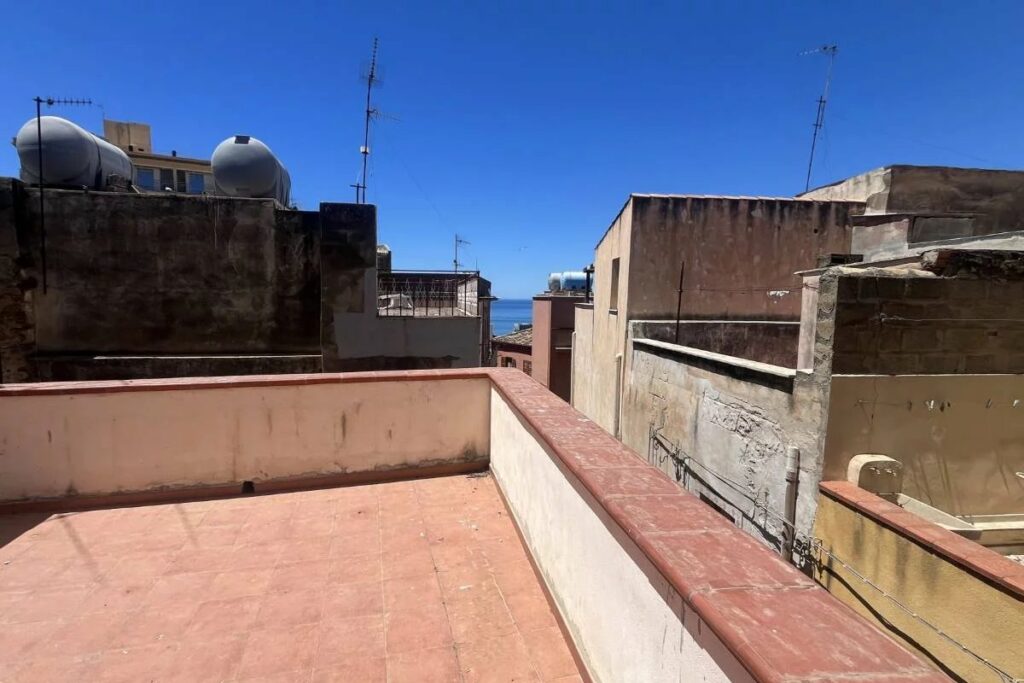
The real estate market here is costly, as you would expect from such a famous spot, but the city’s popularity continues to rise. Big ticket investments are arriving steadily, like the transformation of the Palazzo Castelluccio into a luxury hotel by the celebrated French television producer Jean-Louis Remilleux and the Rocco Forte group. Tourist apartments, especially in the old town, command rents of up to €2,000 per week in high season, making it a strong candidate for investment if you can find the necessary capital.
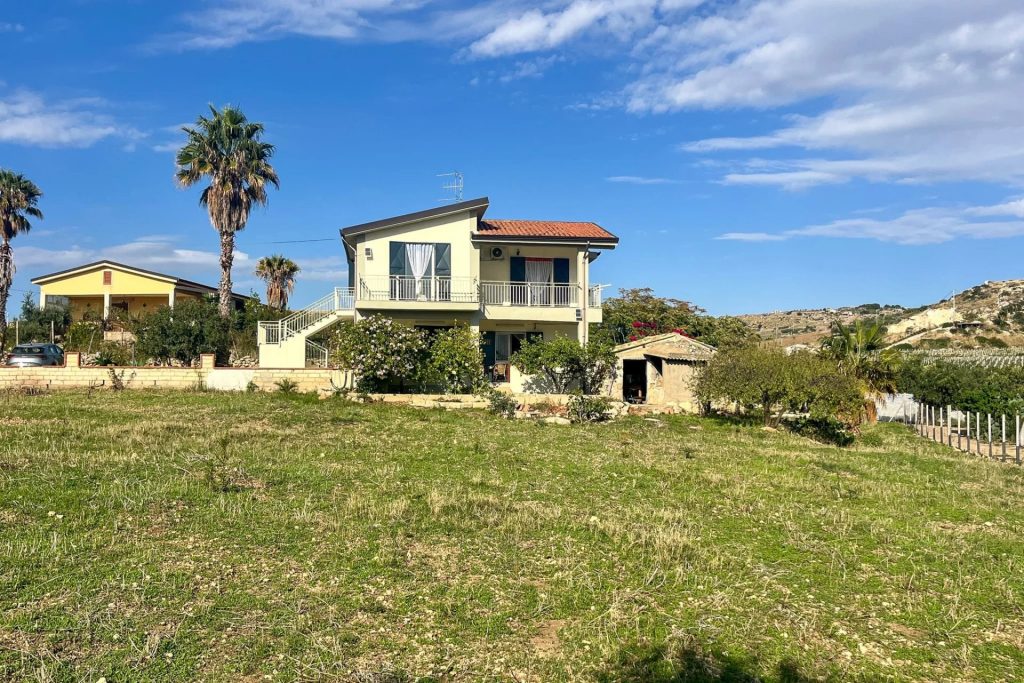
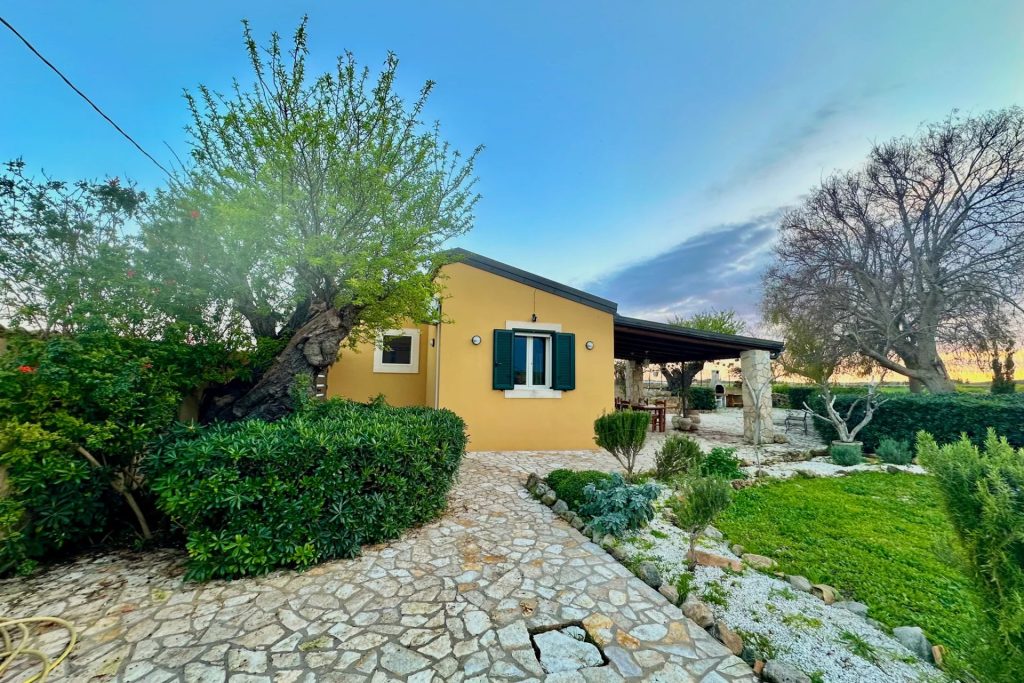
You’ll find that your money goes further in the countryside and villages outside the famous town, but if you really want the appeal of a place that’s walking distance to the great monuments, try the south-eastern corner near the railway station and east of the SS115 main road. This is more residential and has seen development in recent years.
Avola, home of the great Sicilian red wine, is five kilometres to the east, and runs down to a sandy beach which extends along almost the entire breadth of the town. Home to 30,000 people, it doesn’t have the grandeur of Noto but is nonetheless very liveable, with wide streets and a fair amount of greenery, especially towards the sea. The seafront itself is extremely pricey, but if you look inland towards the centre of town you could find a bargain.
Just to the north of Avola is the dramatic canyon of the Cava Grande del Cassibile-Carrubella. As the coast runs south towards the peninsula of Capo Passero, on the other hand, it passes through the gentler and more tranquil nature reserve of the Oasi Faunistica di Vendicari. The 15km2 park is a haven for seabirds, with the Calamosche beach at its heart famous for the unbeatable clarity of its water and fine golden sands.
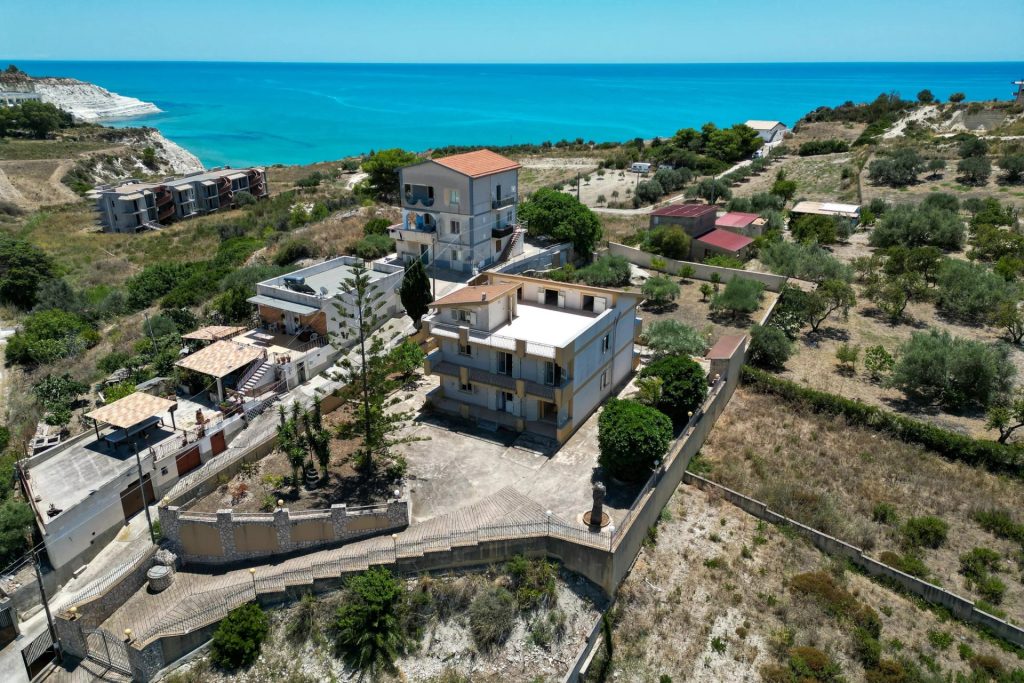
Beyond this, you start to get to some remote but stunning cliffs and bays. The fishing village of Marzamemi is small but extremely picturesque. Mick Jagger’s huge seafront villa is in Portopalo di Capo Passero. The market obviously doesn’t generate much supply, but If you can find building land here, or maybe even an old ruin to renovate, you would have the potential to create something really sensational.